Our Story
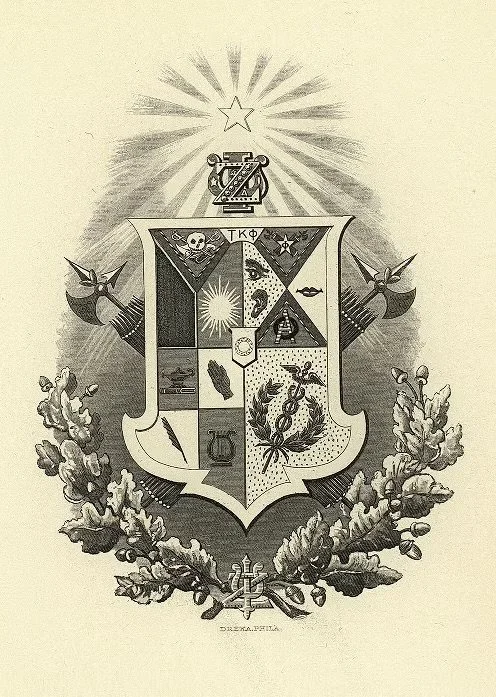

The Founding of Zeta Psi
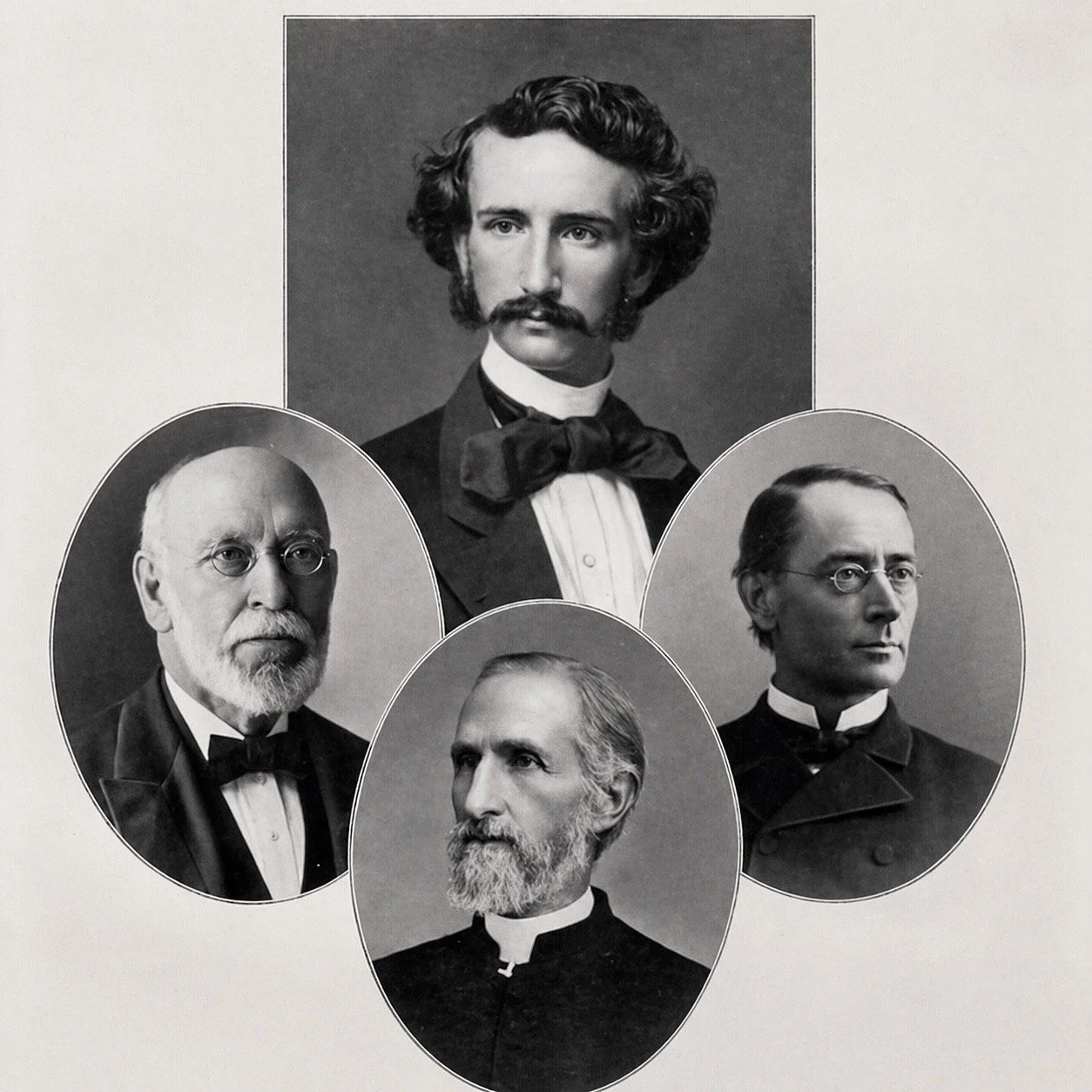
Zeta Psi was founded on June 1, 1847, at New York University by three students—John Bradt Yates Sommers, William Henry Dayton, and John Moon Skillman. At a time when higher education in America was rapidly evolving, these founders sought to create an organization that extended beyond the classroom—one rooted in intellectual growth, moral character, and enduring brotherhood.
From its earliest days, Zeta Psi distinguished itself through its emphasis on both scholarship and connection. The founders envisioned a fraternity that would unite individuals across campuses, fostering a network that would support members throughout their lives. This vision led to one of the fraternity’s defining characteristics: a strong national presence built on shared values and lifelong affiliation.
As Zeta Psi expanded beyond New York, it became one of the first fraternities to establish a truly intercollegiate structure, linking chapters together under a unified identity. This early commitment to expansion and cohesion helped lay the foundation for a fraternity that would endure for generations.
Today, the founding principles of Zeta Psi continue to guide the organization—promoting leadership, integrity, and a commitment to something greater than oneself. What began in 1847 as a small group of students has grown into a lasting brotherhood with a legacy that continues to evolve.

Brotherhood Without Borders
In the decades following its founding, Zeta Psi quickly expanded beyond its original chapter at New York University, establishing itself as one of the earliest fraternities to embrace a truly broad and interconnected brotherhood. As new chapters emerged across the United States and Canada, the fraternity developed a unique principle that set it apart: a Zeta Psi brother was never confined to one chapter alone, but belonged to a larger international network of lifelong bonds.
This vision of brotherhood without borders created a foundation of unity that transcended geography. Whether in times of peace or hardship, brothers found connection, support, and fellowship in every corner of the fraternity’s growing reach. This principle of universal brotherhood became one of Zeta Psi’s defining characteristics, strengthening its identity as not merely a college organization, but a lifelong and international fraternity.
Brotherhood Beyond Battle
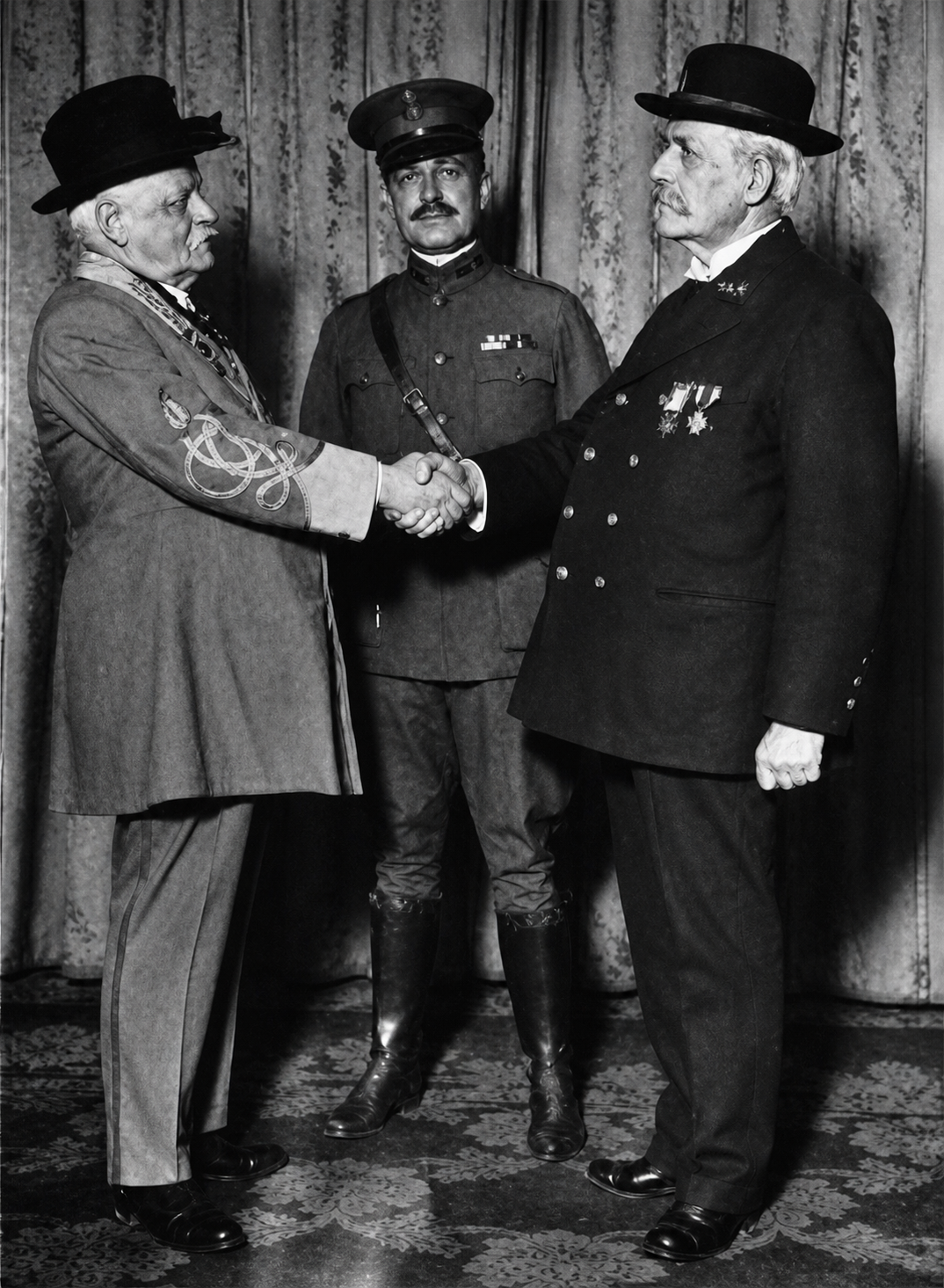
The photograph captures a powerful reunion years after the Battle of Chattanooga, symbolizing the enduring bond of brotherhood beyond war itself. During the battle, Brother Henry Schwerin of Zeta Psi lay gravely wounded with the fraternity’s badge pinned to his Union uniform. A passing Confederate soldier, also a Zete, recognized the badge and chose compassion over conflict, carrying Schwerin to safety and medical care.
Years later, the two men would meet again and shake hands — not as enemies of opposing armies, but as brothers united by the ideals of Zeta Psi. The badge was later entrusted to Max Schwerin, who would go on to serve as international president of the fraternity, and today it remains preserved within the fraternity archives as one of its most treasured symbols of loyalty, reconciliation, and brotherhood transcending division.
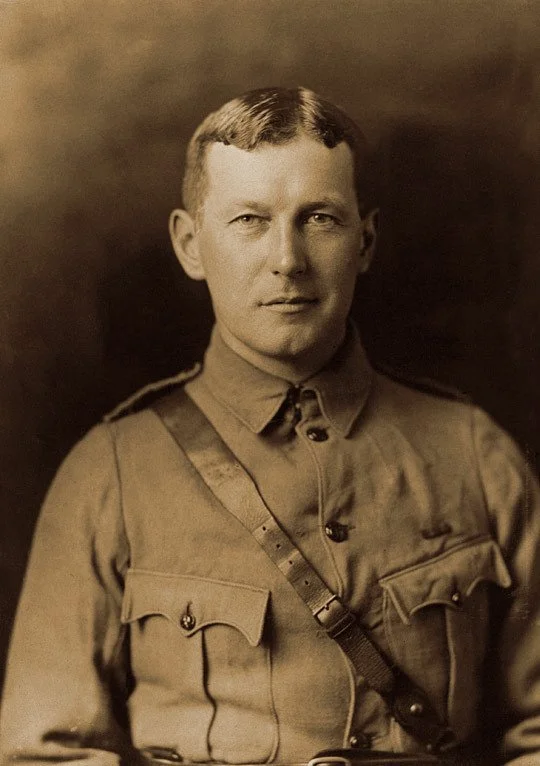
A Legacy of Influence: John McCrae
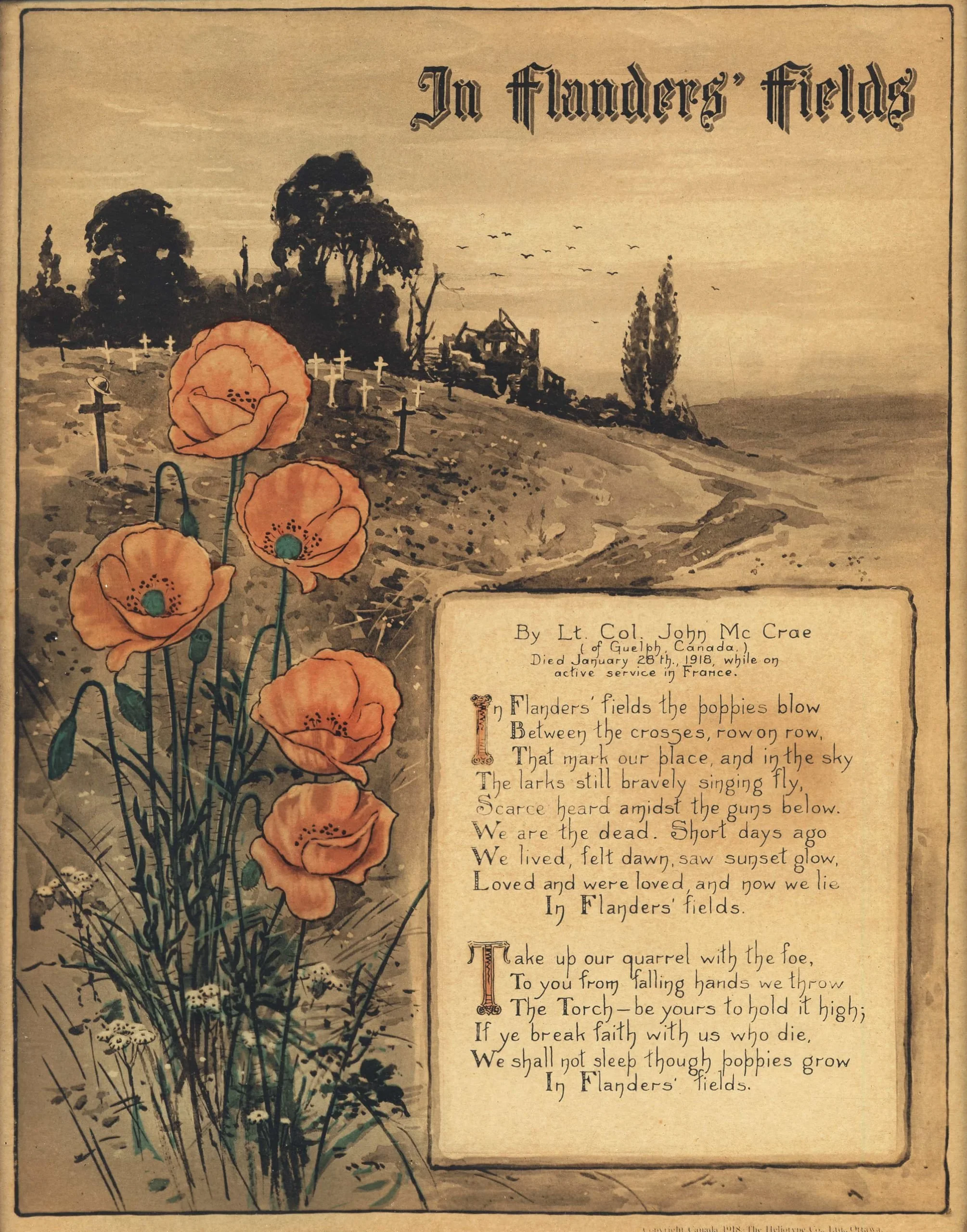
Among the many individuals connected to Zeta Psi’s legacy is John McCrae, a physician, soldier, and poet whose words have endured for generations. McCrae is best known as the author of In Flanders Fields, one of the most recognized poems to emerge from World War I.
Written in 1915 during the Second Battle of Ypres, the poem was inspired by the loss of a close friend and the countless lives affected by the war. Its vivid imagery of poppies growing among soldiers’ graves captured both the sorrow of loss and a call to remembrance. Over time, In Flanders Fields became a defining symbol of sacrifice and is still honored today, particularly on Memorial Day and Remembrance Day.
McCrae’s contribution reflects the broader ideals associated with Zeta Psi—intellectual depth, service, and a lasting impact beyond one’s immediate surroundings. His work stands as a reminder that the influence of a single individual can extend far beyond their own time, shaping how future generations remember and understand history.
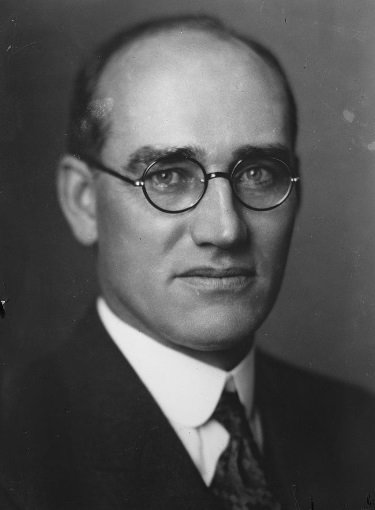
The Circle of Zeta Psi: William A. Comstock
In the years that followed, William A. Comstock emerged as one of the most influential figures in shaping the future of Zeta Psi. Serving as the fraternity’s first Supreme President, Comstock envisioned a brotherhood that extended far beyond individual chapters, a unified organization bound by shared values, enduring traditions, and lifelong loyalty.
Comstock believed that Zeta Psi should be more than a collegiate experience; it should be a permanent bond that connected brothers across generations and across borders. His vision helped establish the framework for stronger chapter relations, alumni engagement, and the preservation of ritual and identity. Through his leadership, Zeta Psi grew not only in size, but in purpose, laying the foundation for the international brotherhood it would become.
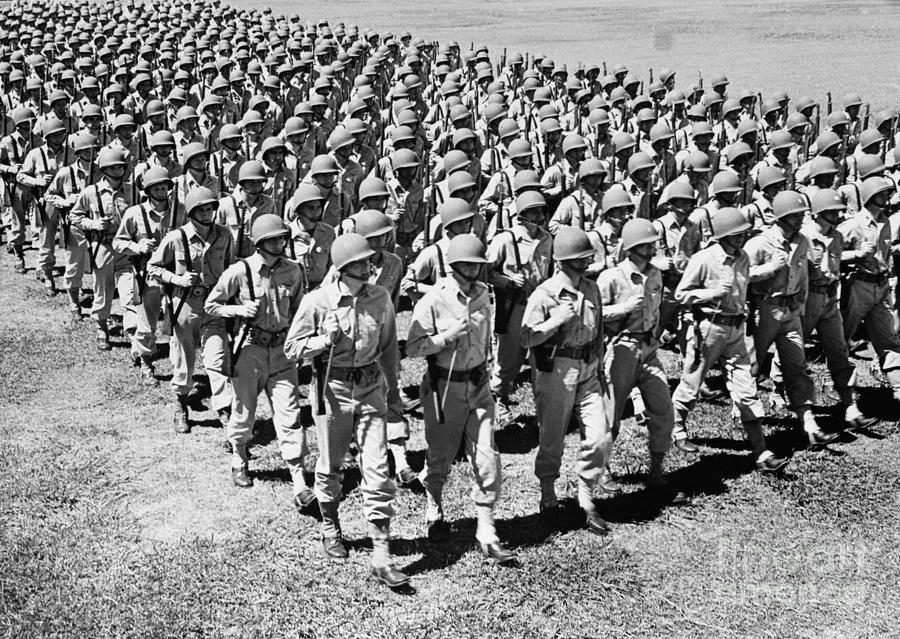
In Honor and Remembrance
During both World War I and World War II, thousands of members of Zeta Psi Fraternity answered the call to serve their countries, taking roles as soldiers, officers, physicians, engineers, and public servants across multiple theaters of war. Many brothers made the ultimate sacrifice, leaving behind a legacy of courage, duty, and commitment that became deeply woven into the fraternity’s history.
Despite the uncertainty and devastation of wartime, Zeta Psi’s international structure remained a defining strength. Chapters across the United States and Canada continued to uphold communication, support fellow brothers, and preserve the fraternity’s principles during periods of immense global instability. The bonds formed through Zeta Psi extended beyond individual campuses, creating a network of lifelong connection and mutual support that endured even during times of conflict and separation.
The experiences of these generations reinforced many of the values that continue to shape Zeta Psi today: service, resilience, leadership, and brotherhood. Through war and peace alike, the fraternity’s commitment to unity and character remained steadfast, helping preserve an organization whose legacy continues to span borders, generations, and changing eras.